Tebori
•
Irezumi
•
Japanese
•
Traditional
•
Tebori • Irezumi • Japanese • Traditional •

authentic Japanese Tattoo Artist in Ottawa-Gatineau
Traditional Japanese Tattooing
at Ink Terminal
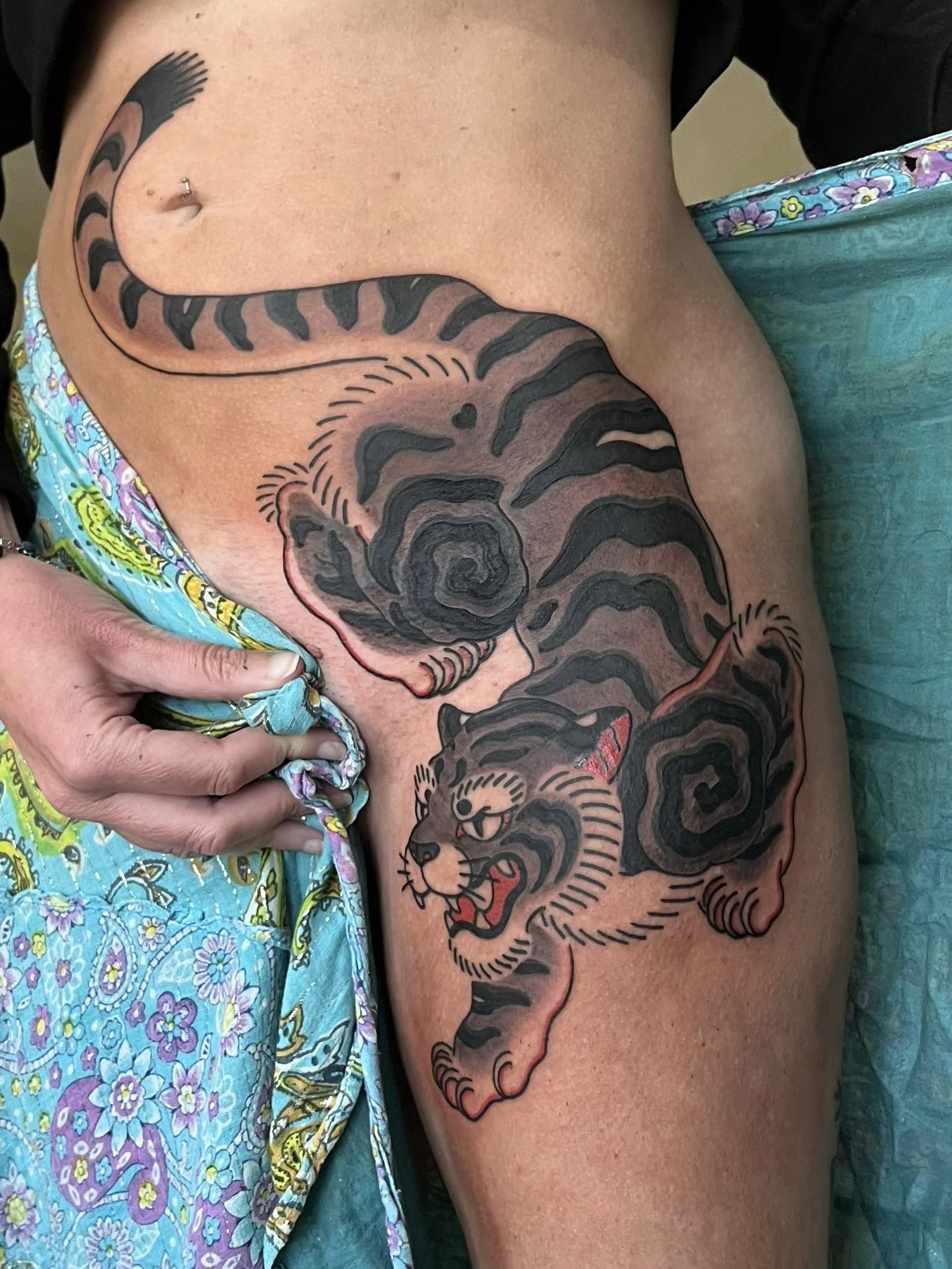
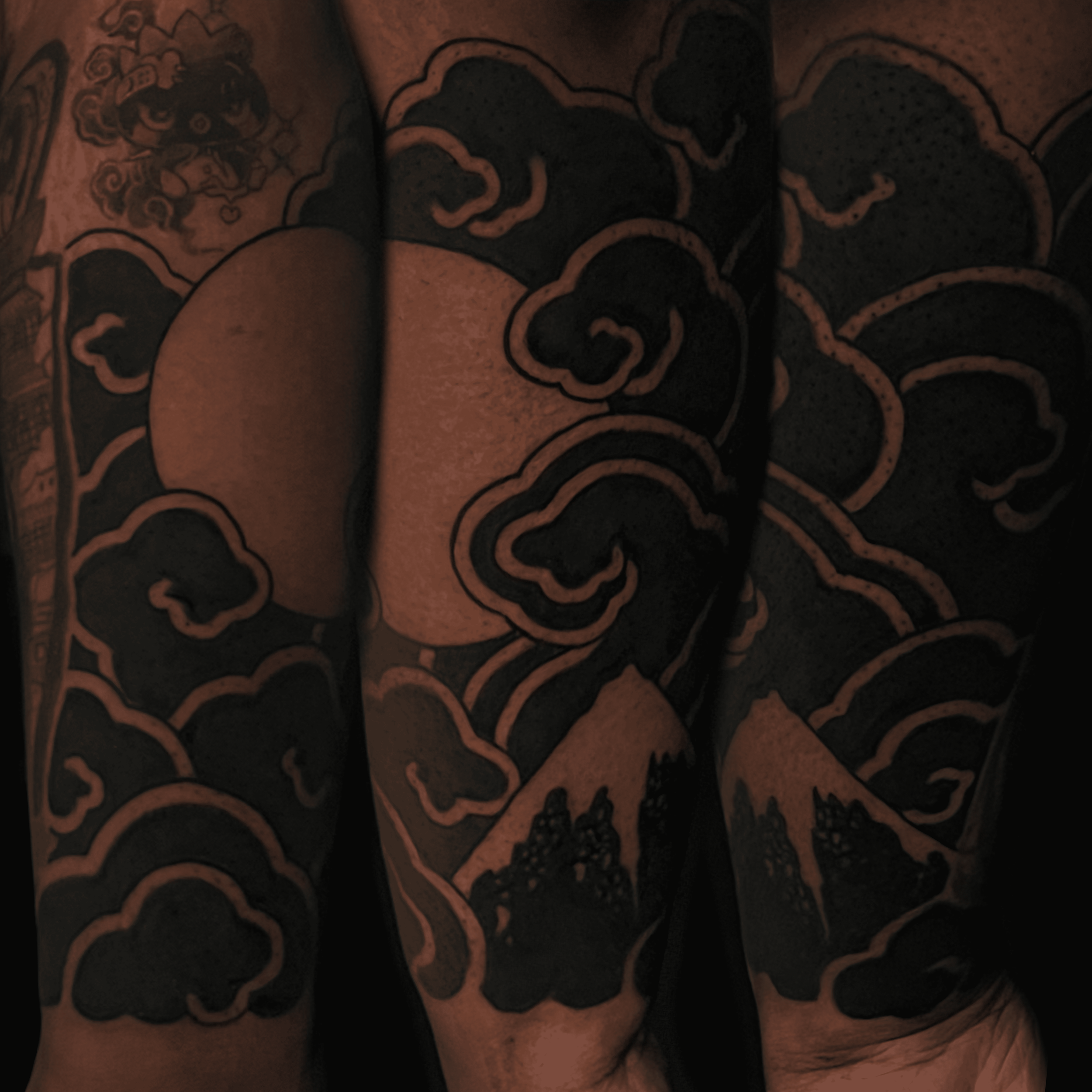
Traditional Japanese tattooing is built around more than individual images. Composition, movement, symbolism, and the natural flow of the body all work together to create a piece that feels complete.
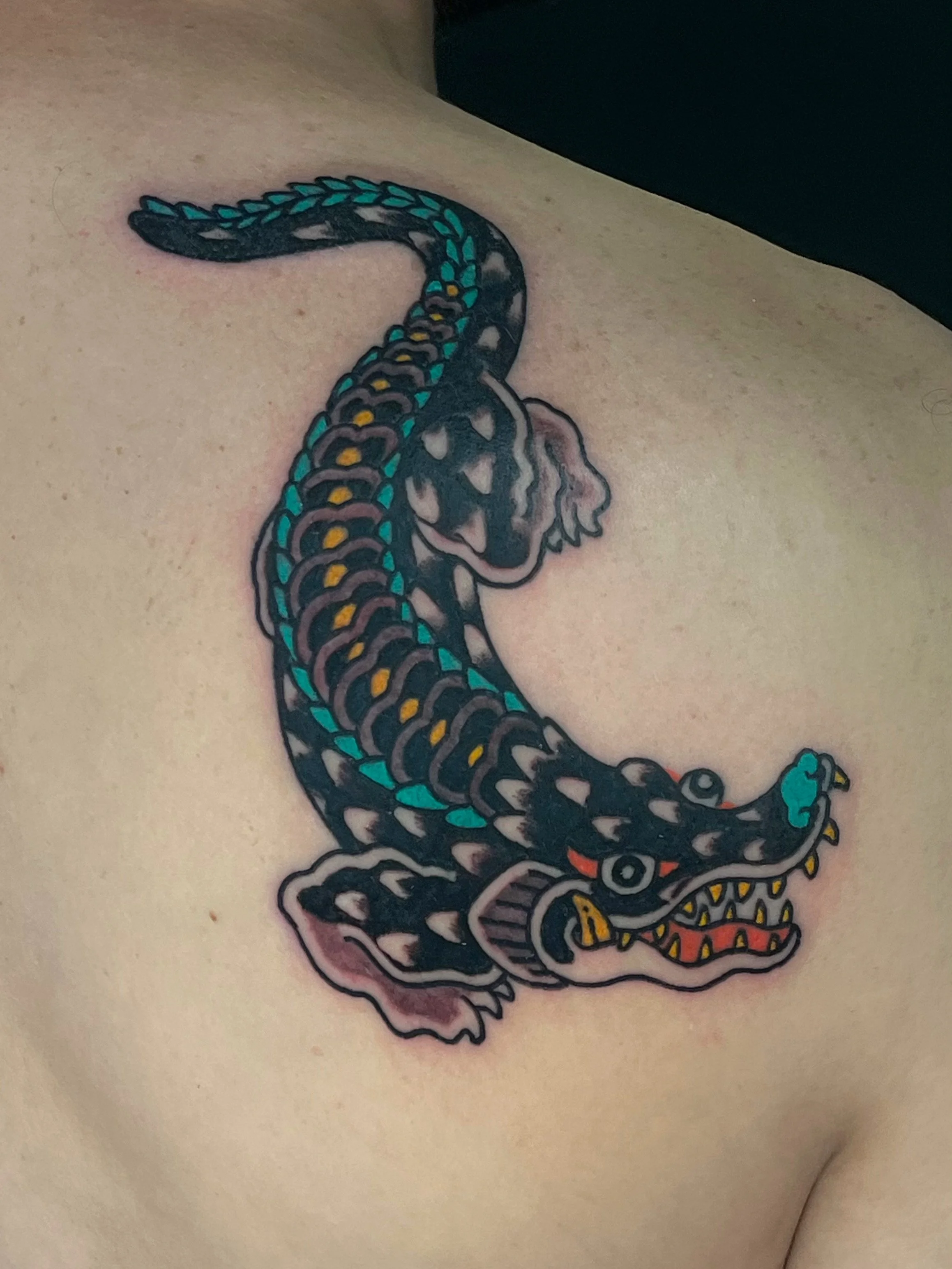
At Ink Terminal, we approach Japanese tattooing with respect for the visual language and traditions of Irezumi while creating each piece specifically for the individual. From full sleeves and back pieces to smaller compositions, every design is developed around your ideas, placement, and the way the tattoo moves with your body.
Our studio serves clients from Ottawa, Gatineau, and beyond who are looking for custom Japanese tattoo work with strong composition, bold imagery, and lasting visual impact.
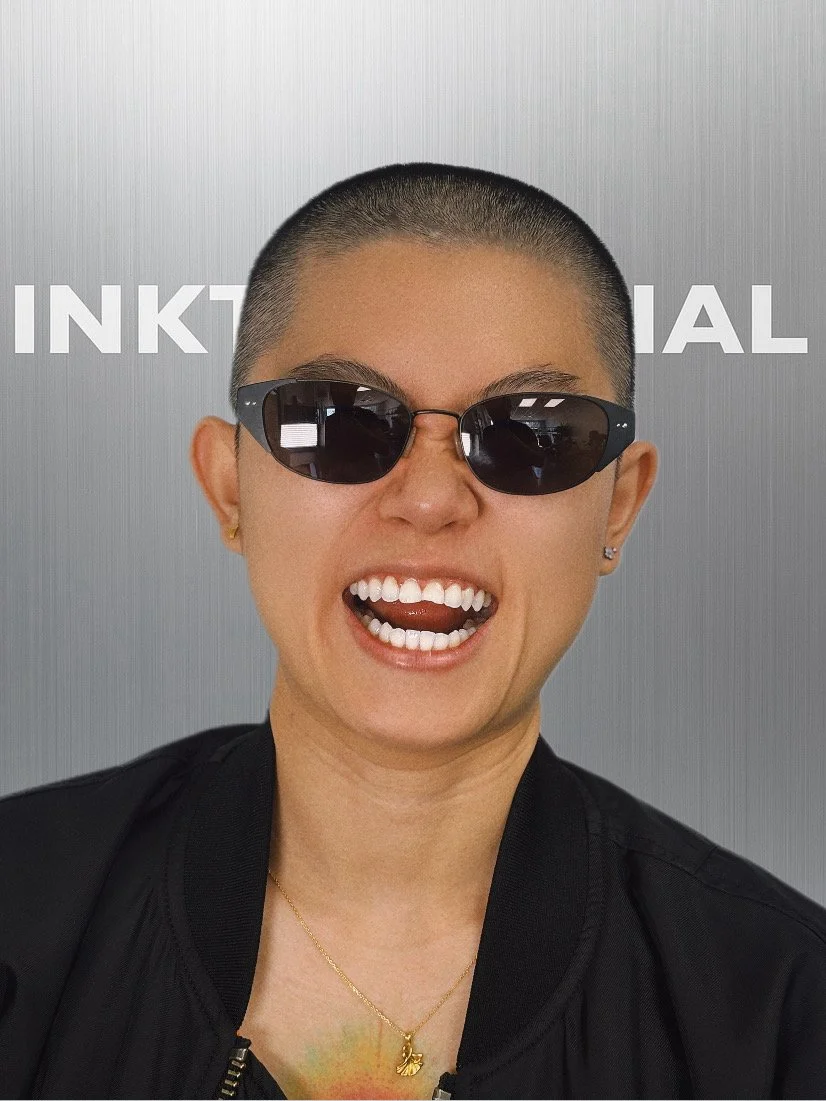
Meet Diaota
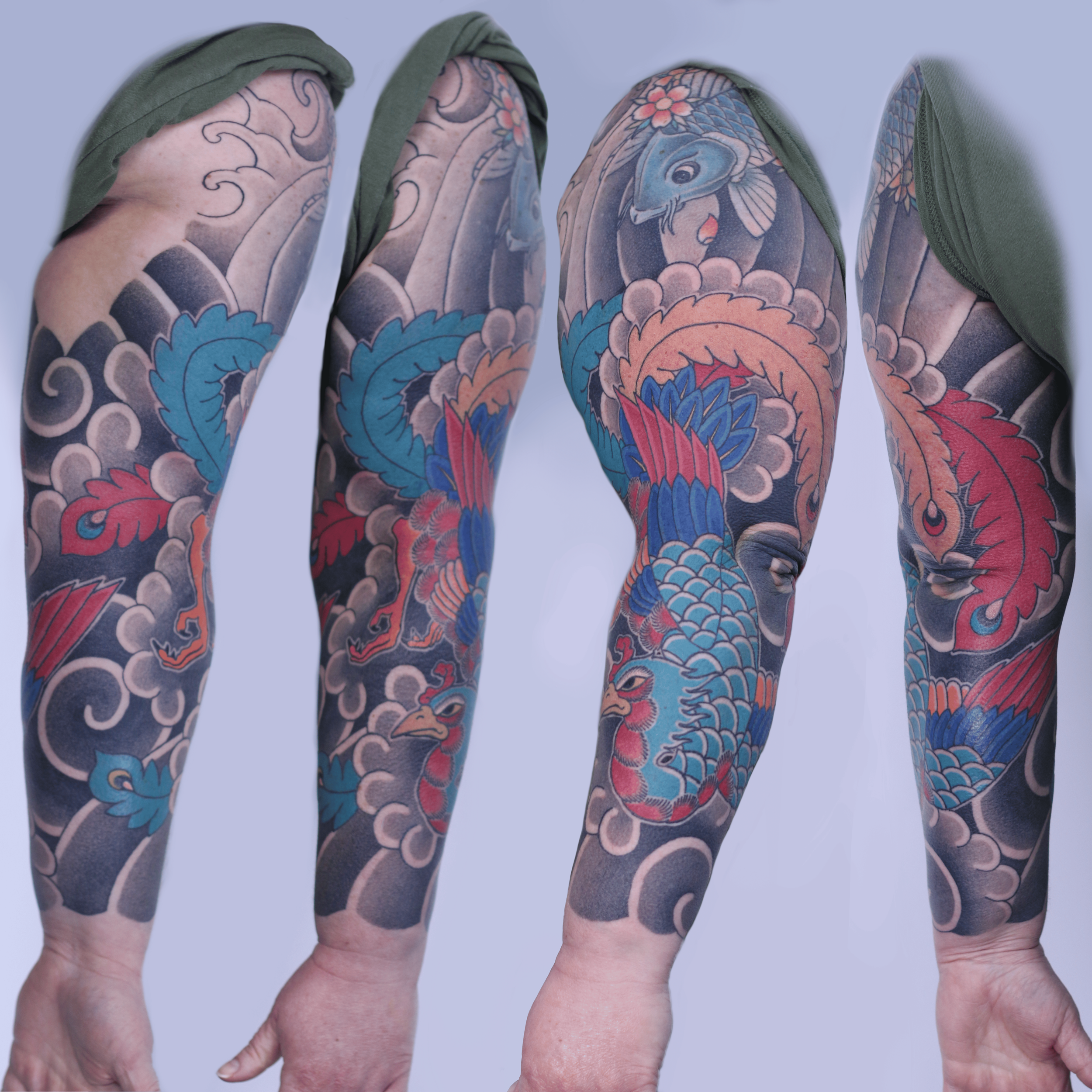
Diaota specializes in Japanese traditional tattooing, with a focus on Irezumi, large-scale compositions, and Tebori.
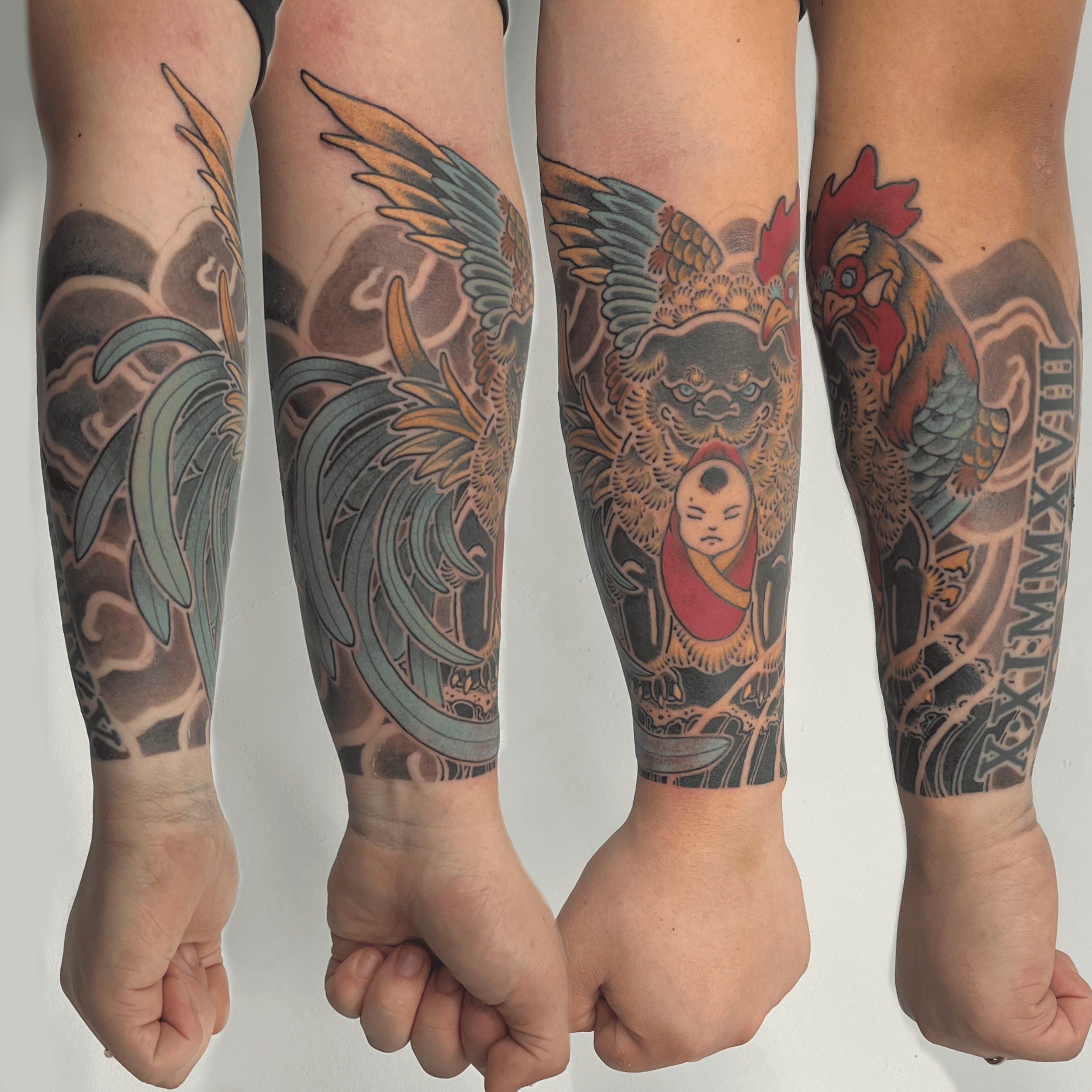
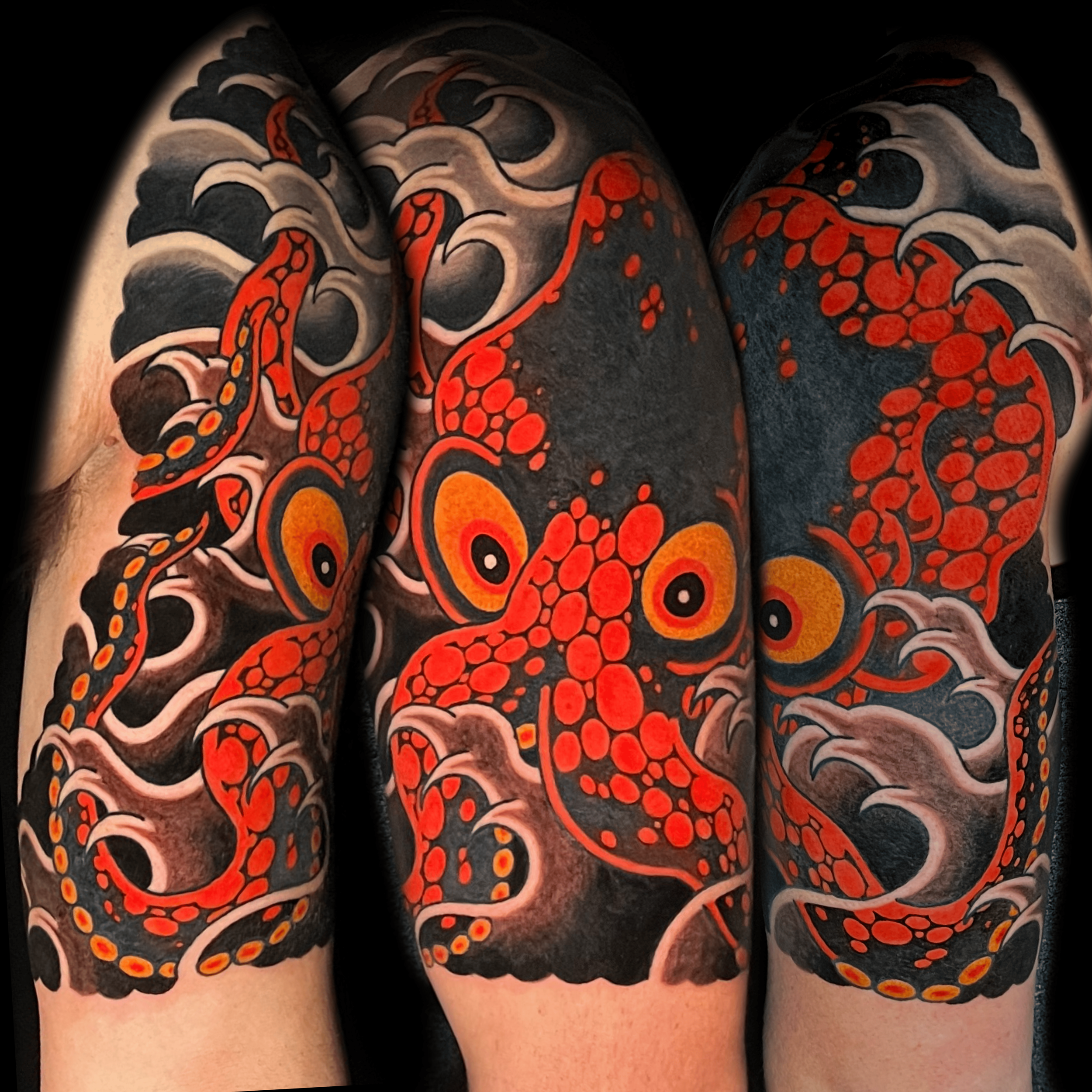
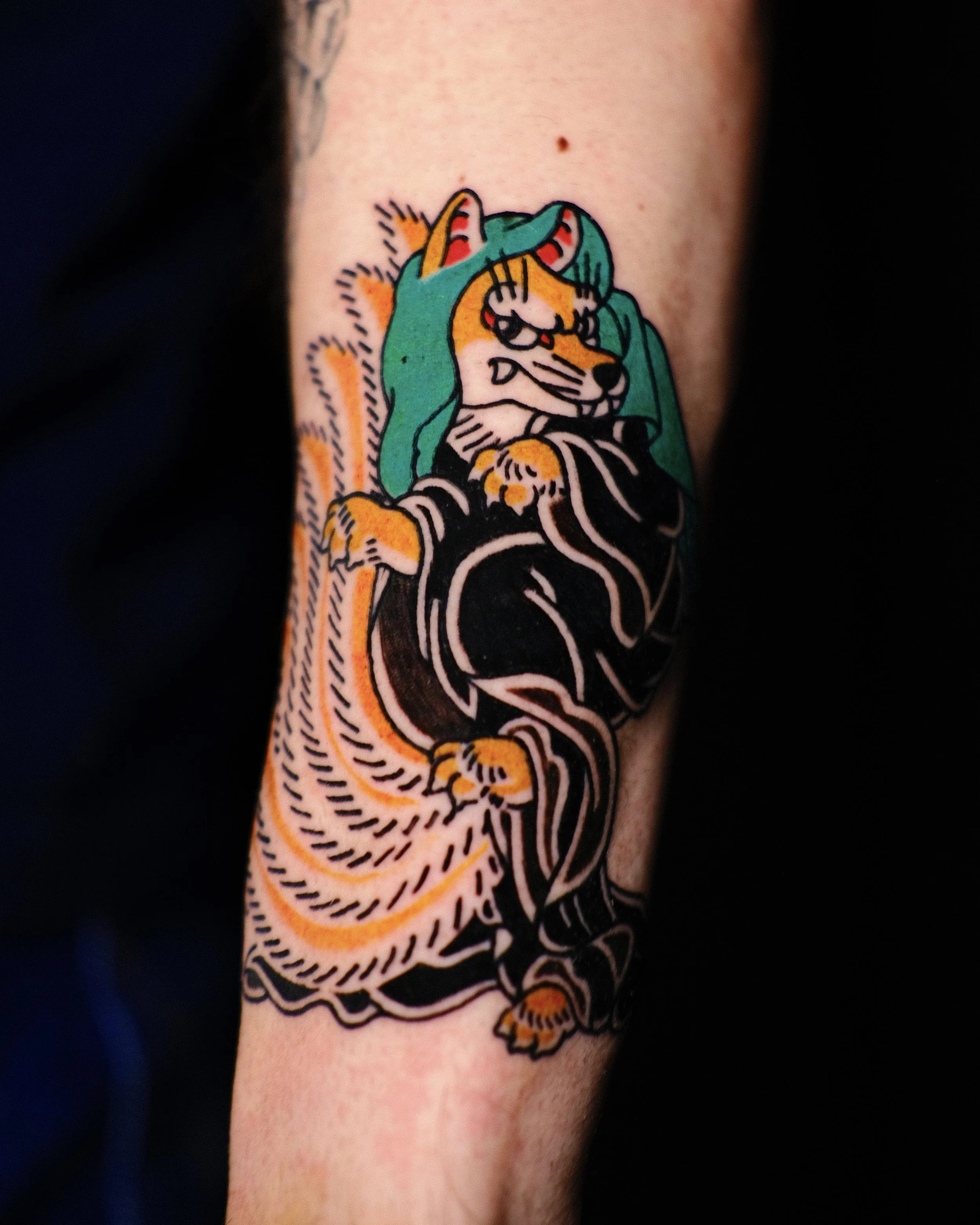
Her work draws on the bold imagery and storytelling traditions of Japanese tattooing, bringing together subjects such as dragons, snakes, koi, Hannya masks, warriors, flowers, wind, waves, and other traditional elements into compositions that flow naturally with the body.
Whether you're beginning a full sleeve, planning a back piece, extending an existing Japanese tattoo, or starting with a smaller design, Diaota works with each client to develop the overall composition rather than treating each element as an isolated image.
Japanese Tattoo Motifs & Designs
Japanese tattooing has a rich visual language in which different subjects carry their own symbolism, character, and relationship to the overall composition. Choosing the right combination of motifs can help turn individual ideas into a tattoo that tells a larger story.
-
![Japanese Dragon Tattoo by Diaota]()
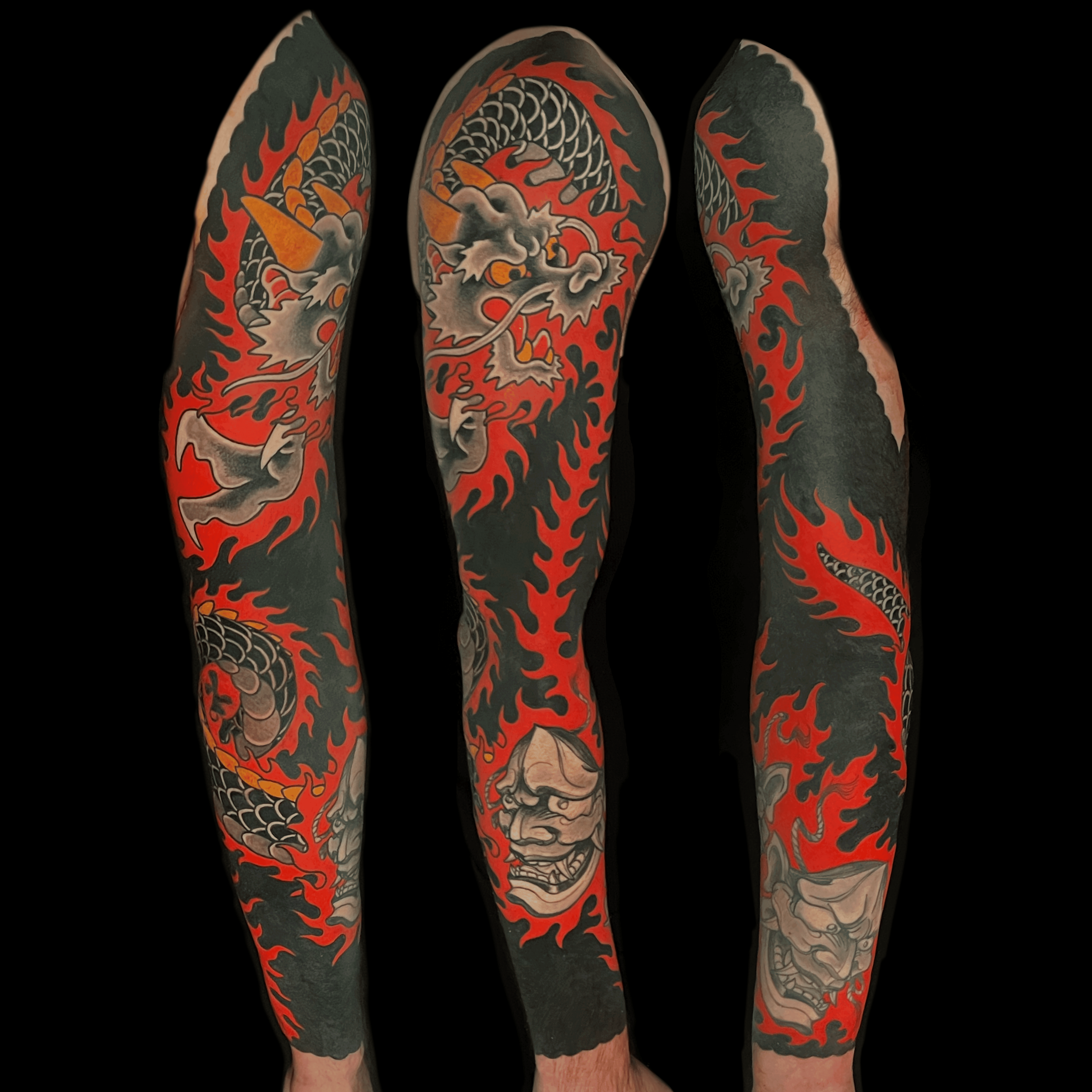
Japanese Dragon Tattoos
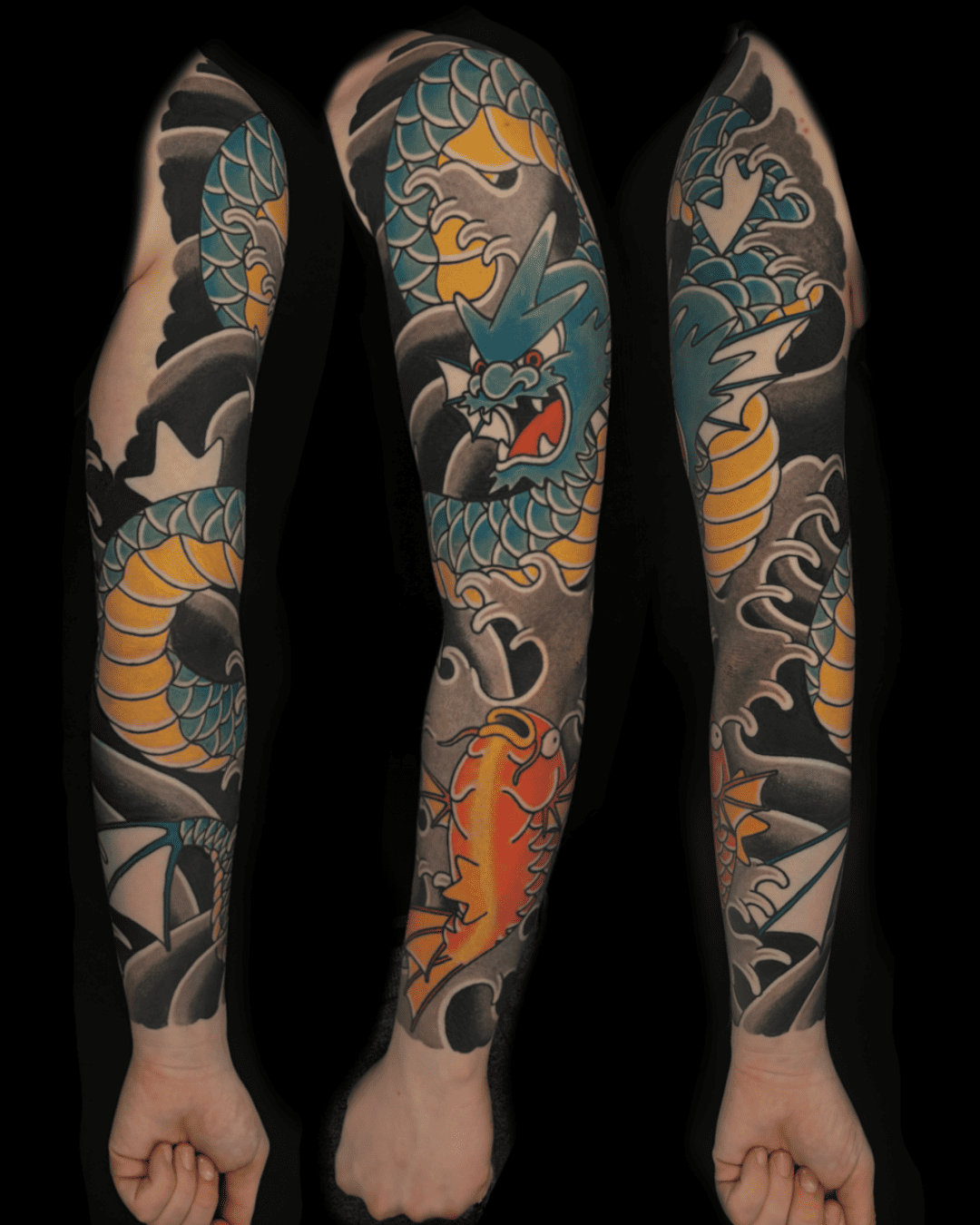
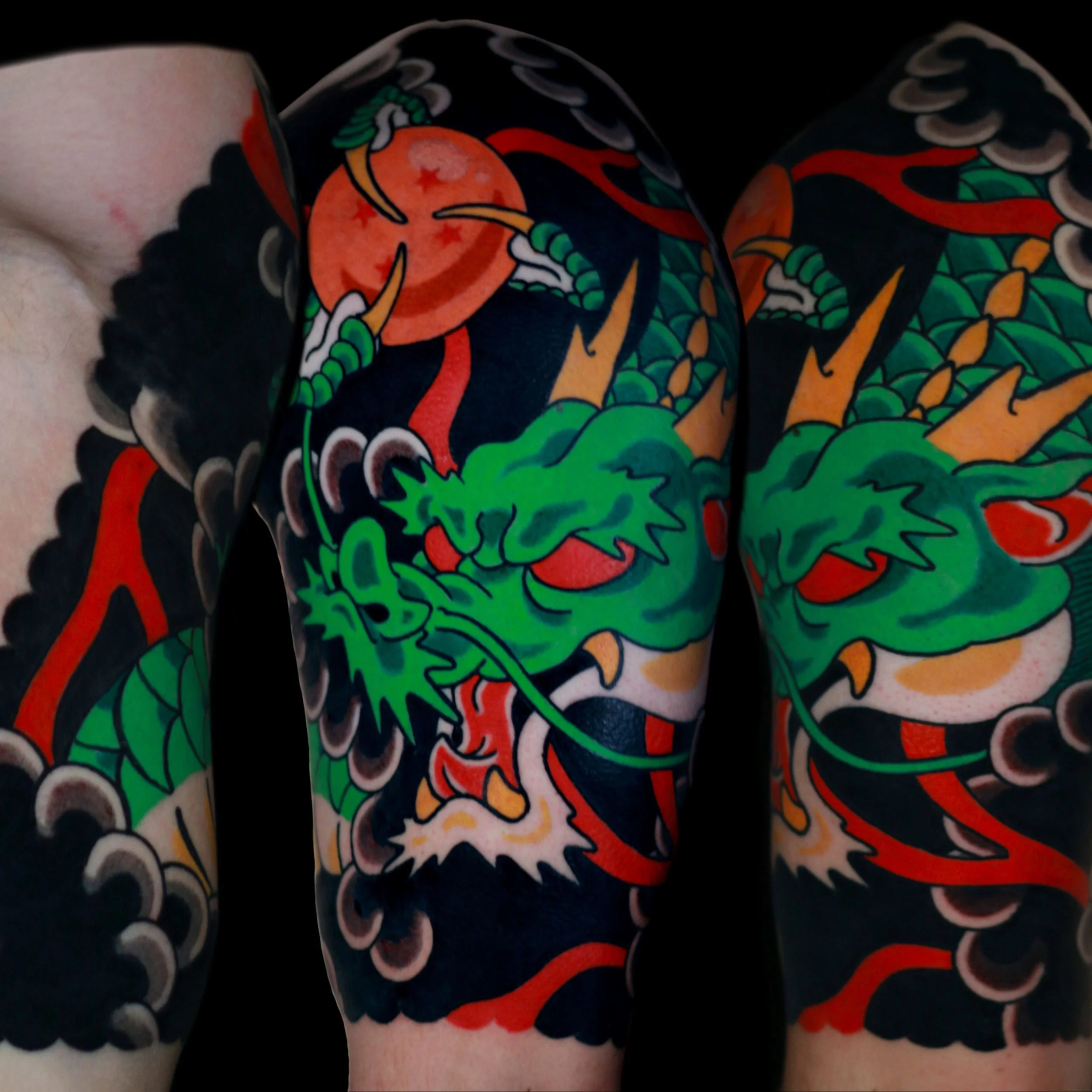
Japanese dragons are commonly associated with strength, wisdom, protection, and powerful natural forces. Their long, flowing forms make them especially suited to sleeves, backs, legs, and other large-scale compositions.
-
![Japanese Koi Tattoo By Diaota]()
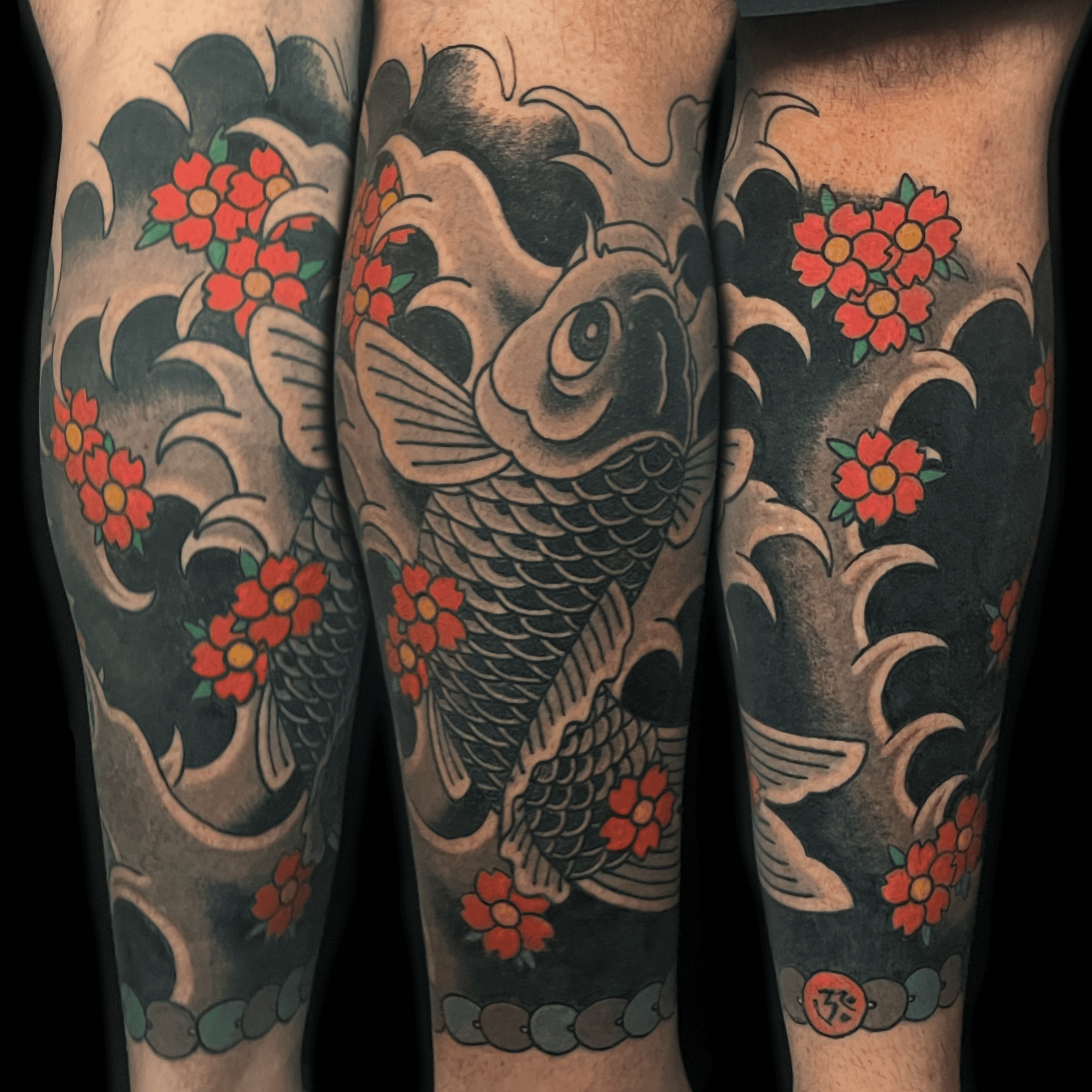
Japanese Koi Tattoos
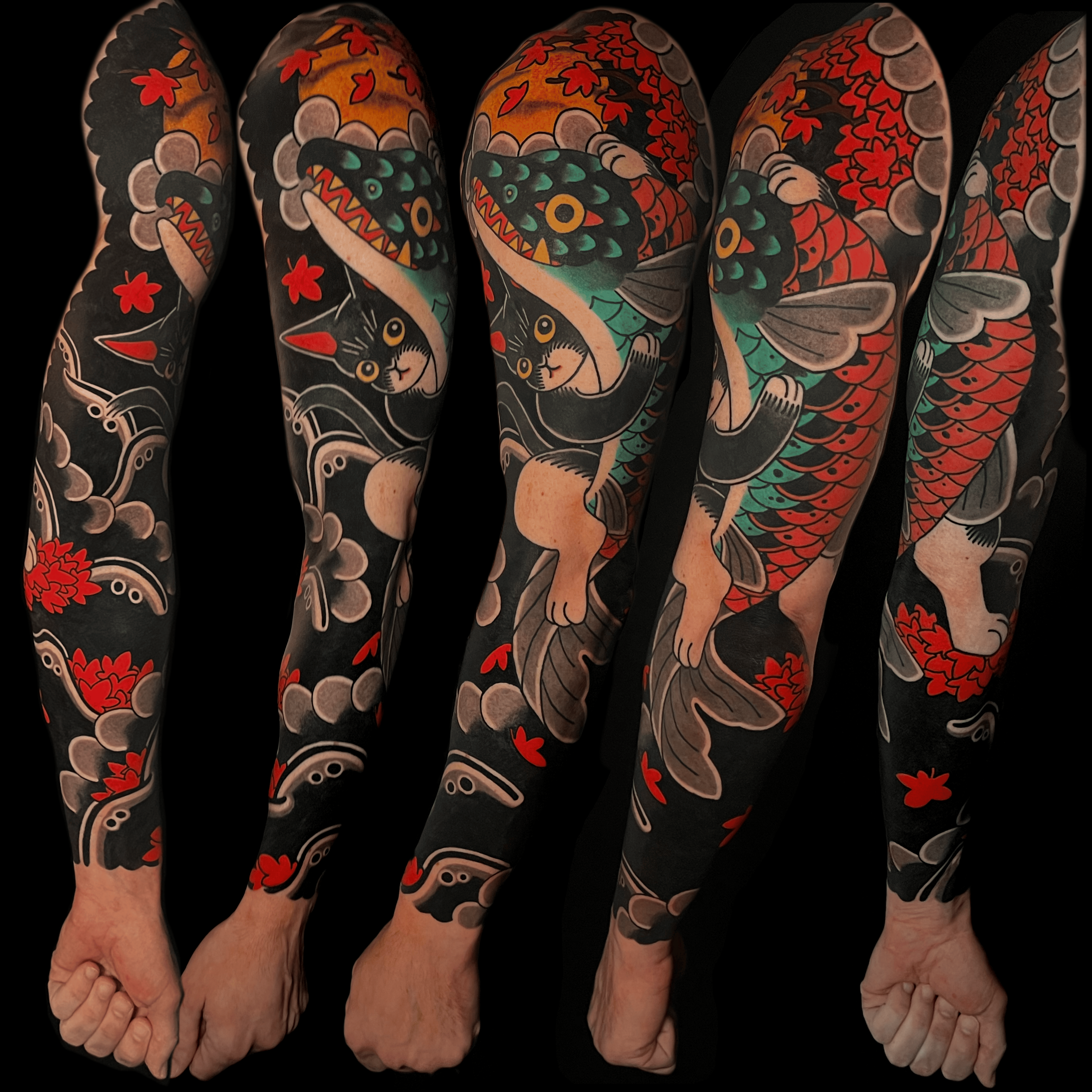
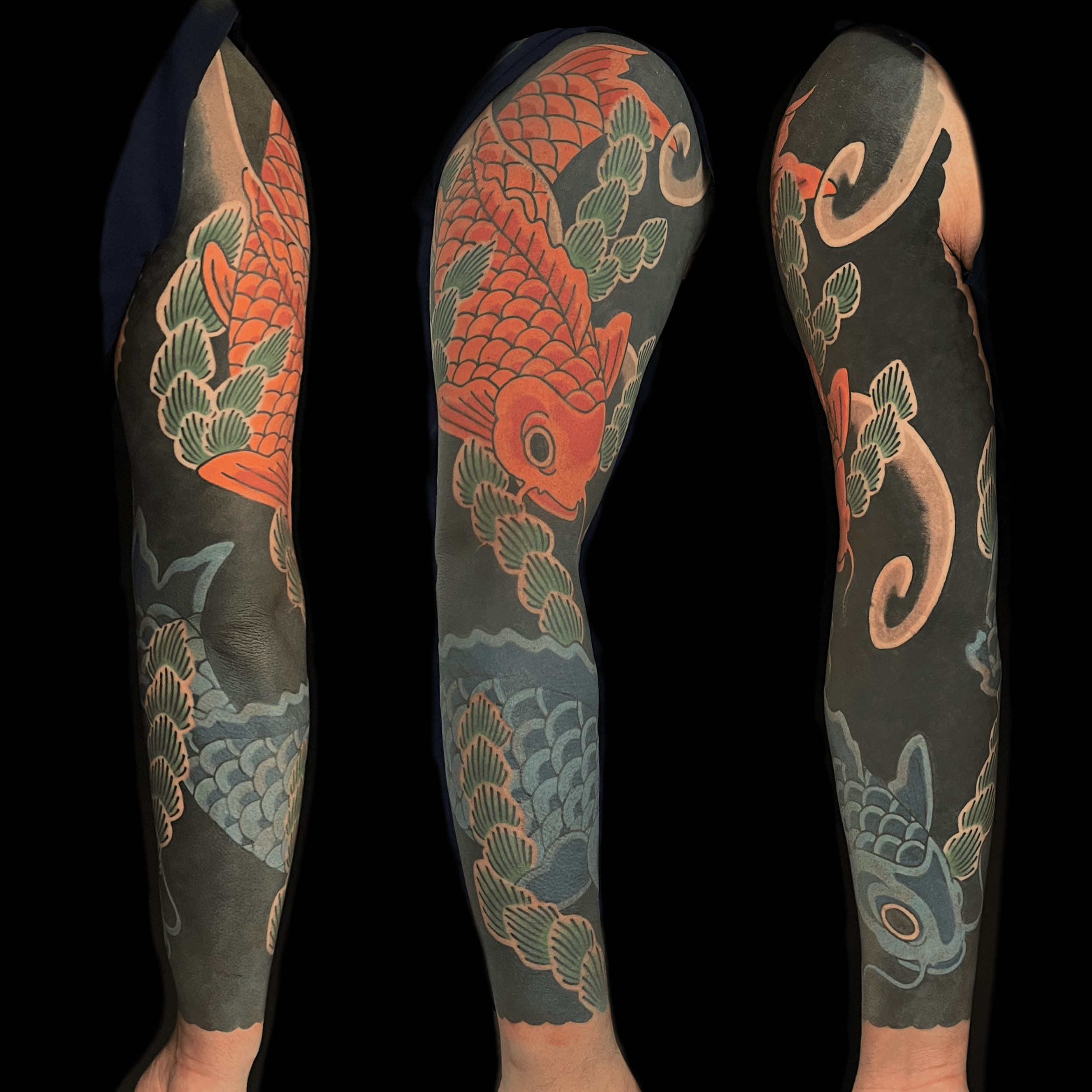
Koi are strongly associated with perseverance, determination, and overcoming adversity. Direction, water, color, and surrounding elements can all contribute to the meaning and composition of a koi tattoo.
-
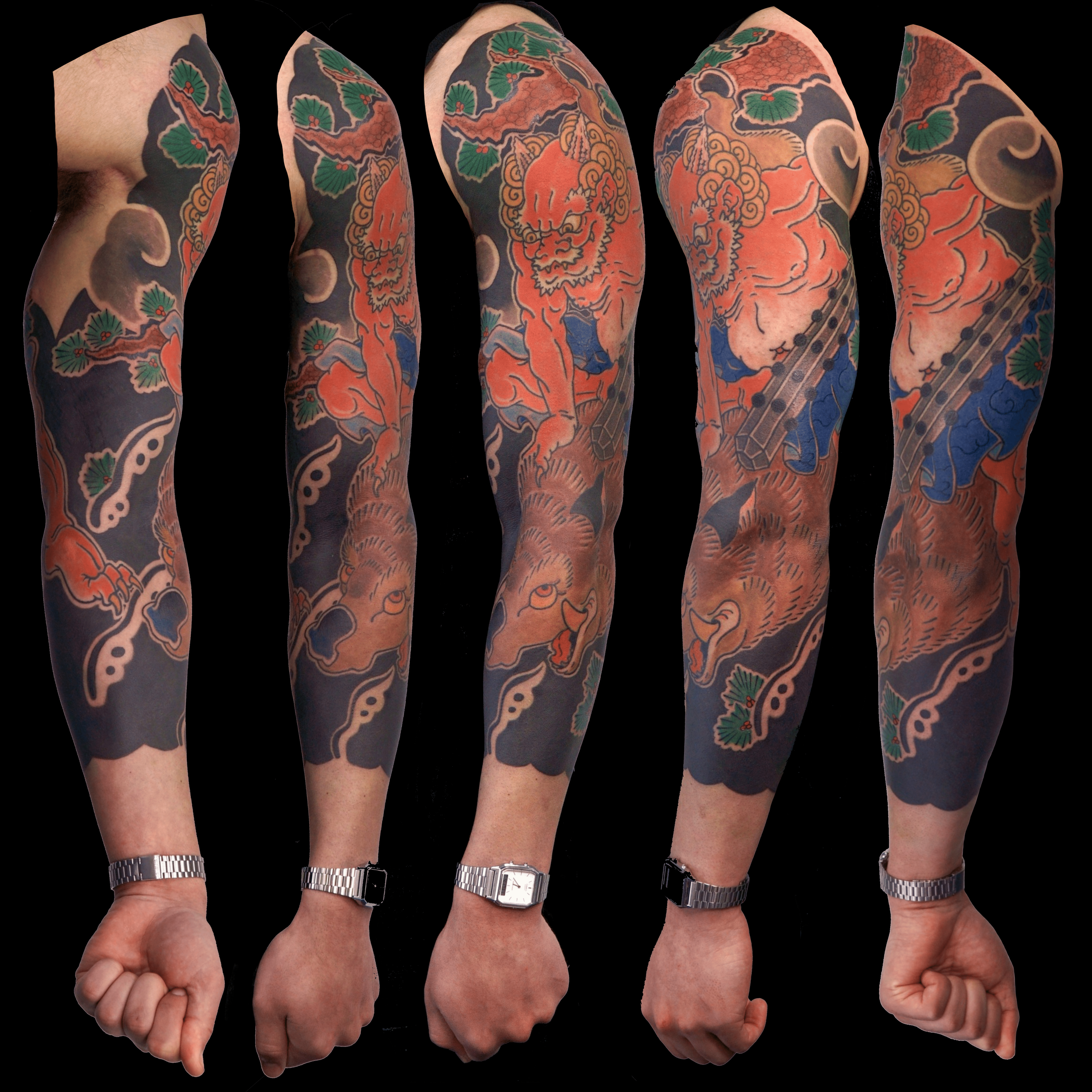
![Japanese Oni fight Boar Tattoo By Diaota]()
Japanese Oni Tattoos
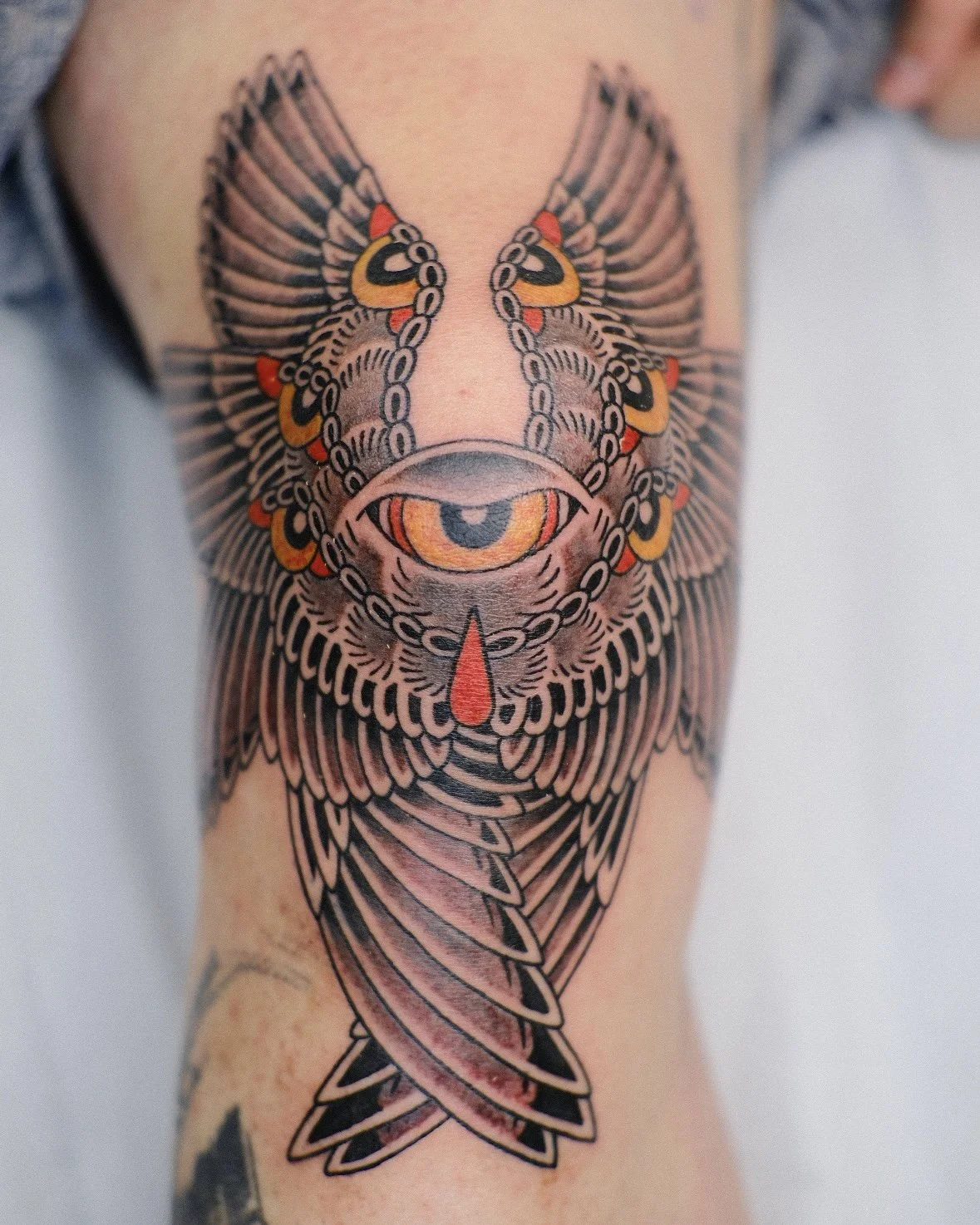
Oni are powerful figures in Japanese folklore, often associated with strength, protection, fear, and the consequences of human behavior. Their dramatic expressions and bold forms make them especially suited to larger Japanese tattoo compositions.
-
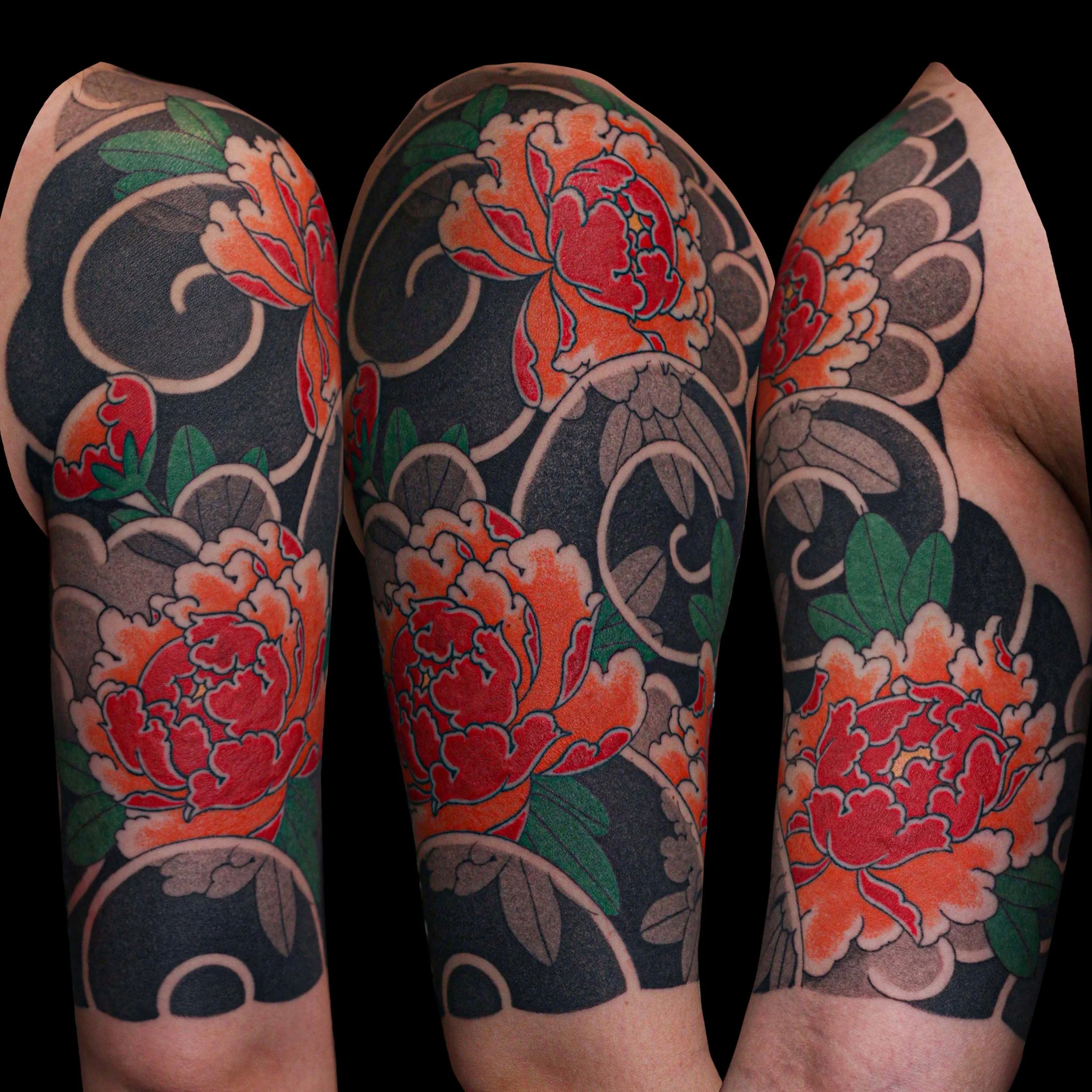
![Japanese Peony sleeve by diaota]()
Japanese Flower Tattoos
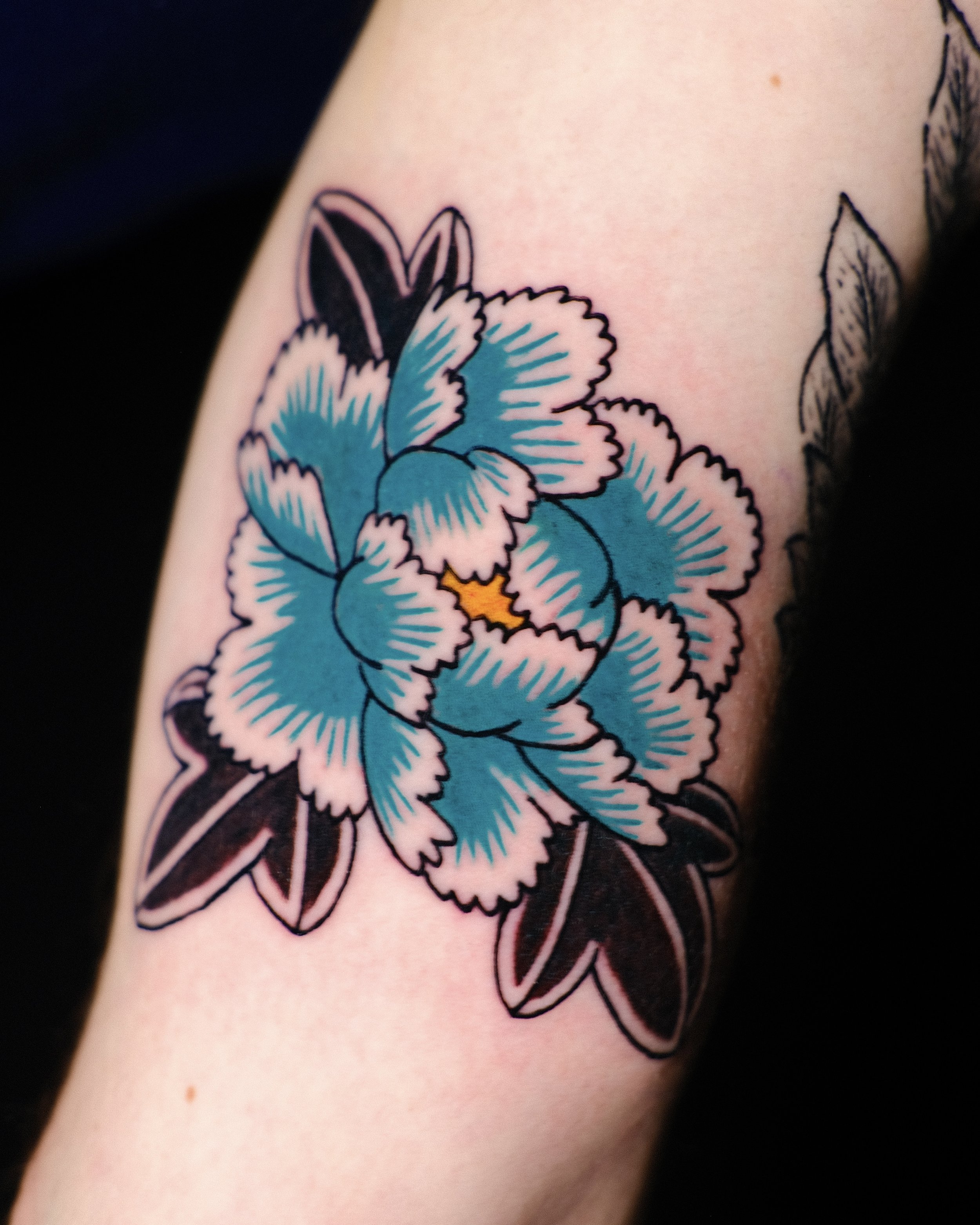
Flowers are not simply decorative elements in Irezumi. Peonies, chrysanthemums, cherry blossoms, lotus flowers, and other plants can carry their own symbolism while helping establish movement, season, contrast, and balance throughout a composition.
Book an Appointment.
Booking your appointment is simple, and our team is ready to provide the attention, care, and expertise you deserve. Let’s get started—pick a time that works for you.
The Art & History of Irezumi
Japanese tattooing carries centuries of artistic tradition, symbolism, and storytelling.
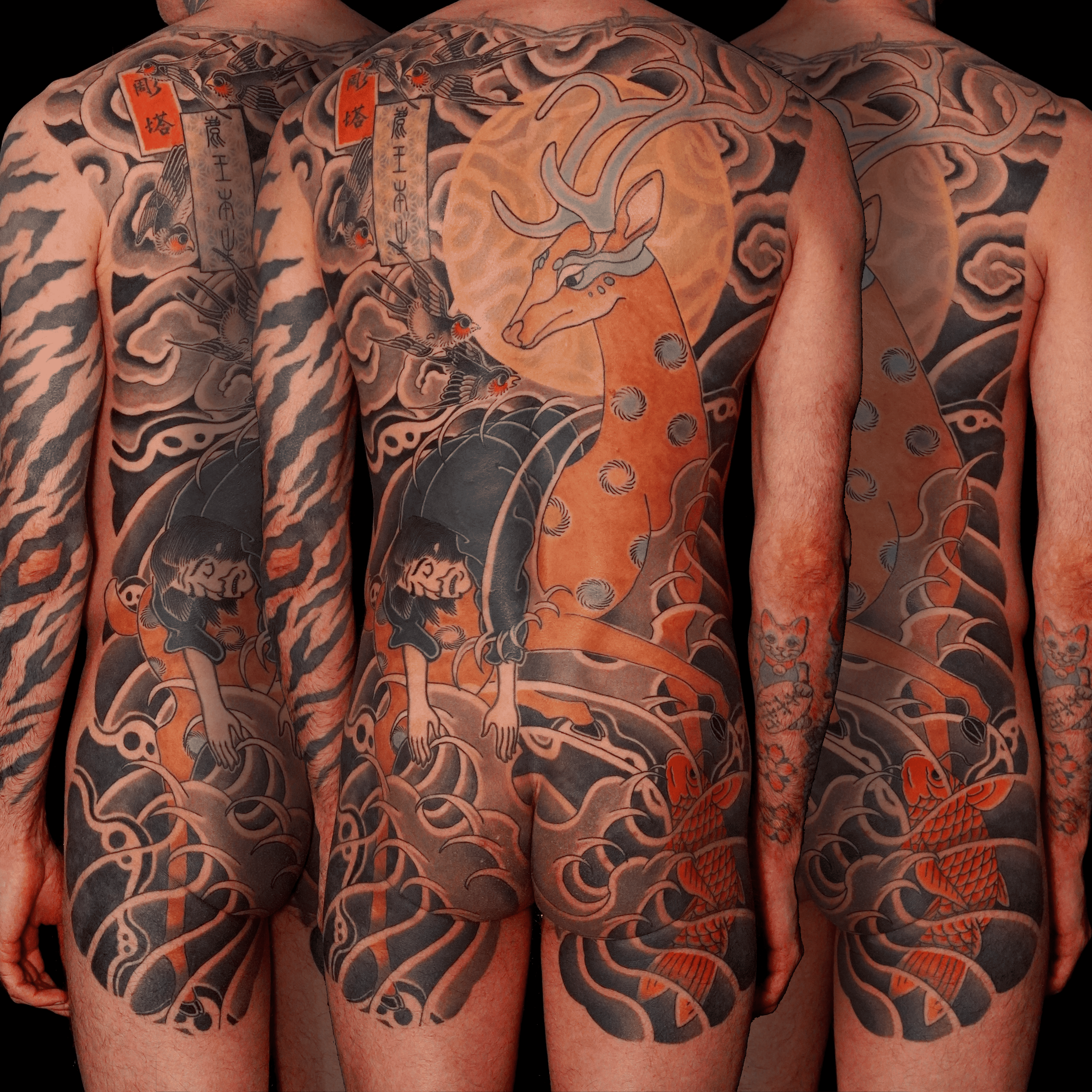
The visual language associated with Irezumi developed alongside Japanese art and popular culture, with ukiyo-e woodblock prints playing an especially important role in shaping many of the dramatic compositions still associated with Japanese tattooing today. Warriors, legendary heroes, dragons, supernatural creatures, animals, flowers, wind, and water became part of a visual tradition designed to tell stories across the body.
Understanding where these images come from can add another layer of meaning when choosing the subjects and composition for your own tattoo.
Frequently Asked Questions
-
Irezumi (入れ墨) literally means “inserting ink” and is a Japanese term historically used for tattooing. Today, it is commonly associated with traditional Japanese tattooing—known for large, cohesive compositions that combine symbolic subjects with elements such as wind, waves, clouds, and flowers. Influenced by ukiyo-e, folklore, mythology, and Japanese visual culture, Irezumi emphasizes the relationship between imagery, symbolism, and the natural flow of the body.
-
Tebori (手彫り), meaning “hand carving,” is a traditional Japanese tattooing technique in which ink is inserted into the skin by hand using a specialized tool rather than a tattoo machine. Known for its distinctive texture and color saturation, Tebori remains an important technique within traditional Japanese tattooing and is still practiced by skilled artists today.
-
There is no single timeline for a Japanese sleeve. The total time depends on the size of the arm, complexity of the composition, amount of detail, background, color, and how your skin responds during each session.
Large Japanese projects are usually completed over multiple sessions. During your consultation, your artist can give you a better idea of the scope and expected process based on your specific design.
-
No. Large-scale Japanese tattoos such as sleeves, back pieces, chest panels, and leg pieces are normally developed over multiple sessions.
The important part is planning the overall composition from the beginning. This allows each completed section to remain part of a larger design as the tattoo develops over time.
-
In many cases, yes.
Whether an existing tattoo can be incorporated depends on its size, placement, style, darkness, and relationship to the new composition. Some tattoos can be integrated directly, while others may benefit from a cover-up or laser fading before the larger project begins.
The best way to determine your options is to show the existing tattoo during a consultation.
-
Start with the subjects you genuinely connect with rather than choosing imagery only because of its appearance.
Your artist can then help you consider symbolism, placement, scale, movement, seasonal relationships, and how different elements traditionally work together. This is especially important for larger Irezumi compositions, where the relationship between subjects is part of the overall design.
-
Absolutely. Reference images are useful for communicating the subjects, mood, composition, and details you are drawn to.
They are used as a starting point rather than something to copy directly. Your final tattoo will be designed specifically for your body and project.
-
Send us your idea, preferred placement, approximate size, and any reference images you have. For larger projects such as sleeves, back pieces, or multi-session Irezumi work, a consultation gives you and Diaota the opportunity to discuss the overall composition before the design process begins.